
Fixing potholes and cracks in asphalt pavement starts with evaluating the damage. For minor cracks, use a sealant; medium cracks need patching with asphalt mix. Major damage requires full-depth repairs or resurfacing. Gather essential tools like a trowel, shovel, and proper safety gear before you begin. Clean the area thoroughly before applying materials, and compact your patches for durability. If you’re unsure about the extent of damage, there are signs that can guide your next steps.
Key Takeaways
- Assess damage severity: Identify cracks and potholes to determine appropriate repair methods, from sealing minor cracks to full-depth patching for major damage.
- Clean and prepare the area: Remove debris and vegetation, ensuring a solid base for repairs and allowing the area to dry completely before application.
- Choose the right patch material: Use cold patch for quick fixes or hot mix asphalt for long-lasting repairs, depending on the severity of damage.
- Apply the patch properly: Fill the area slightly above surface level, compact the material, and smooth it out for effective coverage and durability.
- Schedule regular maintenance: Conduct inspections at least twice a year to catch issues early and extend the life of the asphalt pavement.
Why Potholes and Cracks Form: Common Causes
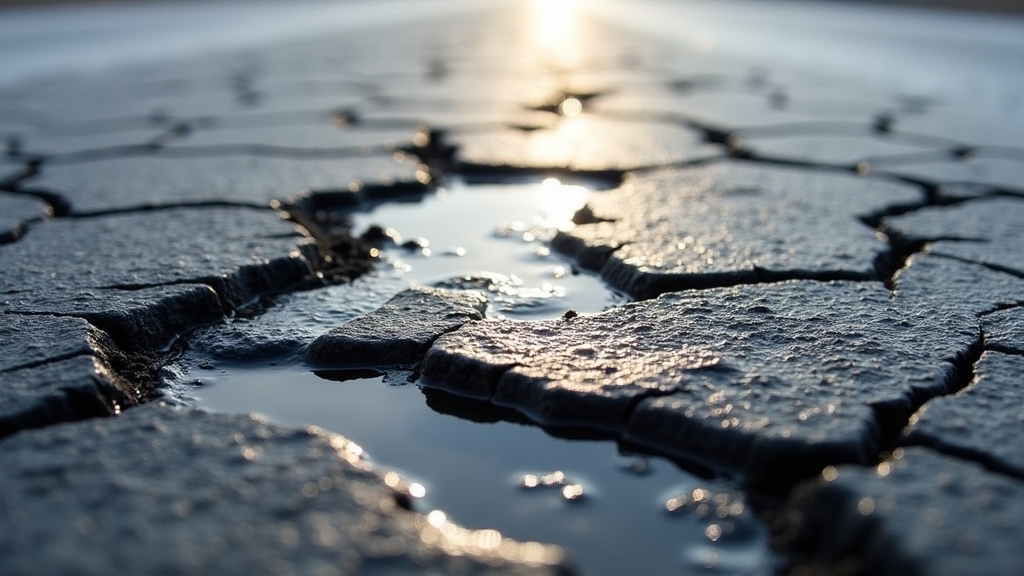
Potholes and cracks often form when water seeps into the asphalt, especially during freeze-thaw cycles. This cycle causes the pavement to expand and contract, leading to pavement deterioration over time.
When temperatures drop, water freezes, creating pressure within the asphalt. As it thaws, the cycle repeats, weakening the structure.
Environmental impacts also play a significant role. Heavy rain can wash away the protective top layer, exposing the base to further damage.
Additionally, heavy traffic and the weight of vehicles can exacerbate existing cracks, turning them into larger potholes.
You mightn’t notice these issues at first, but ignoring them can lead to more extensive repairs down the line.
Assessing Damage Severity on Your Asphalt

Before you tackle repairs, it’s important to assess the damage on your asphalt. By identifying damage indicators, you can prioritize your repair efforts effectively. Use simple assessment techniques like visual inspections and measuring depth to categorize the severity.
| Damage Type | Indicators | Recommended Action |
| Minor Cracks | Less than ¼ inch wide | Sealant application |
| Medium Cracks | ¼ to ½ inch wide | Patch with asphalt mix |
| Major Damage | Potholes or deep cracks | Full-depth patching needed |
| Extensive Damage | Large surface areas affected | Consider resurfacing |
Select Essential Tools for Asphalt Repairs
When tackling asphalt repairs, having the right tools is vital for a successful job.
You’ll need essential repair tools, proper safety equipment, and guidelines for selecting materials.
Let’s explore what you’ll need to get started.
Essential Repair Tools
To effectively repair asphalt, you’ll need a few essential tools that make the job easier and more efficient.
Start with a sturdy asphalt patching trowel for spreading and leveling materials. A heavy-duty shovel helps with removing old asphalt and debris. A tamper is crucial for compacting patches, ensuring durability.
Don’t forget a crack filling gun for precise application of sealants. For larger repairs, consider a cold patch or hot mix depending on your repair techniques.
Finally, keep your tools in good condition through regular tool maintenance; clean them after use and store them properly.
With the right tools and care, your asphalt repairs will last longer and perform better.
Safety Equipment Requirements
Having the right tools is just part of the equation; safety equipment is equally important when repairing asphalt. Before you start, conduct a risk assessment to identify potential hazards. This will guide you in selecting the proper safety gear.
Always wear a hard hat to protect your head from falling debris, and use safety goggles to shield your eyes from dust and asphalt splashes. Steel-toed boots will safeguard your feet from heavy equipment, while high-visibility vests guarantee you’re seen by passing vehicles.
Don’t forget gloves to protect your hands from sharp tools and hot materials. By prioritizing safety, you not only protect yourself but also create a safer work environment for everyone involved in the repair process.
Material Selection Guidelines
Selecting the right materials is essential for effective asphalt repairs, as using the wrong products can lead to premature failure.
To guarantee asphalt durability, consider the following repair materials when tackling potholes and cracks:
- Cold Mix Asphalt: Ideal for temporary repairs, it’s easy to use and can be applied in various weather conditions.
- Hot Mix Asphalt: Provides a long-lasting solution, perfect for significant repairs, but requires heating and specific weather conditions for application.
- Asphalt Patch: A quick fix for small cracks and potholes, it’s designed for easy application and bonding with existing pavement.
Essential Safety Precautions for Asphalt Repairs
When you’re tackling asphalt repairs, safety should be your top priority.
Make certain you wear protective gear, use proper signage to alert drivers, and guarantee adequate lighting for visibility.
These precautions help keep you and others safe while you work.
Wear Protective Gear
To tackle pothole repairs safely, you should always wear protective gear. This gear not only keeps you safe but also guarantees you’re ready for the various hazards you’ll face.
Here are some essential items to take into account:
- Sturdy boots: Protect your feet from heavy materials and sharp objects.
- Safety goggles: Shield your eyes from dust and debris.
- Reflective vests: Increase your visibility to passing vehicles.
Additionally, don’t forget to wear protective gloves, durable clothing, and knee pads for comfort.
Ear protection is critical if you’re using loud machinery, while respirator masks and face masks can help with dust and fumes.
Finally, hard hats are essential for preventing head injuries.
Prioritize safety to make your repair job effective and secure.
Use Proper Signage
Using proper signage is essential for ensuring safety during asphalt repairs, as it alerts drivers to potential hazards. Effective signage placement plays an important role in traffic management, guiding vehicles safely around work zones. Make sure to position signs well in advance of the repair area, allowing drivers ample time to react.
Here’s a quick reference table for effective signage:
| Sign Type | Purpose | Placement Tips |
| Warning Signs | Alert drivers to hazards | Place 100 feet before work |
| Directional Signs | Guide traffic around repairs | Position at detour points |
| Informational Signs | Provide repair details | Use near entry/exit points |
Ensure Adequate Lighting
Ensuring adequate lighting is essential for safe asphalt repairs, especially during nighttime or low-visibility conditions.
Poor lighting can lead to accidents and affect the quality of your work. By using effective lighting techniques, you can enhance visibility and create a safer environment.
- Use portable floodlights to illuminate the work area.
- Position lights strategically to eliminate shadows and highlight potential hazards.
- Consider reflective gear for workers to improve visibility among passing vehicles.
Preparing Your Asphalt for Effective Repairs
Before you tackle pothole repairs, it’s essential to prepare your asphalt properly to guarantee a lasting fix. Start by inspecting the area for loose debris and vegetation. Clear any dirt, leaves, or stones, as they can hinder the repair process.
Utilize effective surface cleaning methods, such as pressure washing or sweeping, to make sure the area is free of contaminants.
Next, you’ll want to assess the depth of the pothole. For effective repairs, use asphalt preparation techniques like edging the surrounding area to create a clean, defined edge. This helps the patch material adhere better and improves the overall durability of your repair.
Assess the pothole’s depth and edge the area for better adhesion and long-lasting repairs.
Finally, if the weather permits, allow the area to dry completely before applying any patch material. Proper preparation sets the stage for a successful repair, making certain your asphalt remains strong and durable for years to come.
Choose the Right Asphalt Patch Material
Choosing the right asphalt patch material is essential for a lasting repair. With various asphalt patch types available, understanding their differences can help you make an informed choice.
Here’s a quick patch material comparison to guide you:
- Cold Patch: Ideal for quick fixes, this material can be applied in any weather and requires no heating. It’s convenient but may not last as long as hot mix options.
- Hot Mix Asphalt: Best for permanent repairs, this material needs to be heated before application. It bonds well with existing pavement but requires more effort and equipment.
- Polymer-Modified Asphalt: This advanced option combines durability with flexibility, making it resistant to cracking and better for high-traffic areas.
Step-by-Step Guide to Filling Potholes
Filling potholes effectively involves a straightforward process that guarantees a durable repair. Start by cleaning the pothole, removing any debris, loose asphalt, or water. This establishes a solid base for your repair.
Next, use a trowel to apply your chosen asphalt patch material, filling the hole slightly over the surface level. Compact the material firmly to eliminate air pockets, which can weaken the repair.
Use a trowel to apply asphalt patch material, overfilling slightly, then compact firmly to eliminate air pockets for a strong repair.
After compacting, smooth the surface with a rake or trowel. Allow the patch to cure according to the manufacturer’s instructions.
For long-term results, consider implementing pothole prevention strategies, like sealing cracks and regular maintenance, to minimize future issues.
Using proper asphalt repair techniques not only fixes the current problem but also prolongs the life of your pavement. With a little effort, you can keep your surfaces safe and looking great!
Techniques for Repairing Asphalt Cracks
Repairing asphalt cracks is essential to maintaining the integrity of your pavement. If you ignore these small issues, they can lead to bigger problems down the line.
Here are some effective techniques you can use:
- Crack Sealing: This involves filling the cracks with a specialized sealant. It prevents water from entering and causing further damage.
- Asphalt Rejuvenation: This technique restores the original properties of the asphalt by adding oils that have been lost over time. It helps maintain flexibility and prevents cracking.
- Surface Patch: For larger cracks, applying a patch can provide a longer-lasting solution. This involves cleaning the area and filling it with fresh asphalt.
Cold Patch or Hot Mix: Which Should You Choose?
When deciding between cold patch and hot mix for pothole repairs, what factors should you consider?
Cold patch advantages include ease of use and the ability to apply it in various weather conditions without needing special equipment. However, repair longevity can be shorter compared to hot mix.
Hot mix, while often more durable, has disadvantages like requiring higher application temperatures and more elaborate surface preparation, which might delay your project timing.
Cost comparison is essential; cold patch can be cheaper upfront but may need more frequent repairs.
Consider how weather impact affects your choice, as cold patch works in colder temperatures.
Finally, environmental considerations can influence your decision, especially if you prefer a more eco-friendly option.
Weighing these factors will help you make the best choice for your specific needs.
Compact Your Asphalt Patch Properly
To achieve a lasting pothole fix, compacting your asphalt patch is essential. Proper compaction improves asphalt density, ensuring your repair withstands the test of time.
Here are some effective compaction techniques to take into account:
- Use a Plate Compactor: This tool vibrates to effectively compress the asphalt, increasing density and stability.
- Tamp the Edges: Focus on the edges of your patch first. Tamping these areas helps create a strong bond with the surrounding pavement.
- Moisten the Asphalt: Lightly spraying water before compaction can help the particles bind better, enhancing overall durability.
Seal Your Repairs: Importance and Benefits
Once you’ve patched those potholes, sealing your repairs is essential.
It helps prevent water from seeping in and causing further damage, which can save you time and money down the road.
Plus, sealing extends the lifespan of your pavement, keeping it in top shape for longer.
Prevent Water Damage
Although you might’ve successfully filled a pothole, neglecting to seal your repairs can lead to significant water damage over time.
Sealing helps create moisture barriers that prevent water from seeping through your asphalt. This is vital for maintaining the integrity of your pavement and ensuring that your repairs last.
Consider these benefits of sealing your repairs:
- Enhanced Protection: Sealing acts as a shield against moisture and harmful elements.
- Improved Drainage Solutions: Proper sealing helps direct water away, reducing pooling and further damage.
- Cost-Effective Maintenance: Regular sealing can save you money by preventing extensive repairs down the road.
Extend Pavement Lifespan
Sealing your repairs not only protects against water damage but also greatly extends the lifespan of your pavement. When you seal cracks and potholes, you enhance pavement durability, preventing moisture from penetrating and causing further damage.
This added layer acts as a shield, keeping harmful elements out and ensuring that your asphalt lasts longer.
Regular sealing helps maintain asphalt longevity, saving you money on costly repairs down the line. It also improves the overall appearance of your surface, making it look well-maintained and inviting.
Plus, a sealed surface reduces the risk of future cracking, allowing you to enjoy a smoother ride. By taking this simple step, you invest in the longevity of your pavement, giving you peace of mind for years to come.
Tips for Long-Lasting Asphalt Maintenance
To guarantee your asphalt pavement stands the test of time, regular maintenance is essential.
Implementing some effective asphalt longevity tips can help you enjoy a smooth surface for years. Here are a few maintenance best practices to keep in mind:
- Sealcoat Regularly: Apply a sealant every few years to protect against weather and UV damage.
- Clean Debris: Regularly remove leaves, dirt, and oil spills to prevent deterioration.
- Inspect for Damage: Check for cracks and potholes frequently to address issues before they escalate.
When to Call a Professional for Asphalt Repairs?
Even with diligent maintenance, some asphalt issues may require professional attention. If you notice extensive cracking or large potholes, it’s time to call in the pros.
While you might handle minor crack sealing yourself, deeper or wider cracks can indicate underlying problems that need expert evaluation.
Deeper or wider cracks often signal underlying issues that require professional assessment for effective resolution.
If your pavement shows significant wear or damage, it could benefit from pavement resurfacing. This process restores your asphalt’s durability and appearance, something you may not achieve with DIY methods alone.
Additionally, if water pooling occurs or if the surface is uneven, it’s a sign that professional help is essential. Ignoring these issues can lead to more costly repairs down the line.
Trusting experts guarantees that the right materials and techniques are used, providing a long-lasting solution. Overall, knowing when to call a professional can save you time, money, and headaches in the future.
Best Seasons for Asphalt Repair Projects
Choosing the right season for asphalt repair can greatly impact the success of your project. Both spring weather and autumn conditions provide ideal opportunities for effective repairs. Here’s what to keep in mind:
– Spring Weather: Warmer temperatures help materials adhere better, making it easier to fill cracks and potholes.
Plus, the moisture helps settle the asphalt.
– Autumn Conditions: Cooler temperatures mean less heat-related expansion, allowing for stable repair results.
Additionally, the lower humidity levels can enhance the curing process.
– Avoid Winter & Summer: Extreme winter cold can cause materials to crack, while summer heat can lead to softening and improper curing.
Cost Factors in Asphalt Repair: What to Consider
Understanding the cost factors in asphalt repair is essential for budgeting your project effectively. First, evaluate your budget considerations. Costs can vary based on the size and severity of the damage, with larger areas requiring more materials and labor.
Next, prioritize your repairs. Addressing major cracks and potholes should come first, as neglecting these issues can lead to more extensive damage and higher costs later on.
Labor costs also play a significant role in your budget. Hiring professionals might be more expensive upfront, but it can save you money in the long run by ensuring a quality job.
Additionally, consider the type of materials you’ll use. High-quality asphalt might cost more initially but often lasts longer.
Preventing Future Asphalt Damage: Key Strategies
To keep your asphalt in top shape, you need a regular maintenance schedule. This helps catch issues before they worsen.
Plus, applying quality sealcoating can protect your pavement from the elements and extend its lifespan.
Regular Maintenance Schedule
Establishing a regular maintenance schedule is essential for preserving asphalt pavement and preventing costly repairs down the line. By incorporating routine inspections, you can spot issues early and address them before they escalate.
Here are some maintenance benefits you’ll gain:
- Increased longevity: Regular upkeep extends the life of your asphalt.
- Cost savings: Addressing small problems now prevents expensive repairs later.
- Improved safety: Well-maintained pavement reduces the risk of accidents.
Make it a habit to inspect your pavement at least twice a year. During these inspections, look for cracks, potholes, and drainage issues.
If you stay proactive, you’ll enjoy a smoother, safer surface and ultimately save money in the long run.
Quality Sealcoating Application
A quality sealcoating application can greatly extend the lifespan of your asphalt pavement. By using effective application techniques, you’ll not only enhance the appearance but also protect against the elements. Sealcoating benefits include preventing UV damage, moisture penetration, and oxidation, which can lead to cracks and potholes.
Here’s a quick overview of key elements for a successful application:
| Aspect | Importance |
| Surface Preparation | Guarantees better adhesion |
| Temperature | Ideal conditions improve curing |
| Number of Coats | Two coats provide better protection |
| Drying Time | Adequate time prevents damage |
| Application Method | Use a squeegee or spray for even coverage |
With these considerations, you’ll maximize the longevity of your asphalt.
Frequently Asked Questions
How Long Does It Take for Asphalt Repairs to Cure?
Asphalt curing usually takes about 24 to 48 hours for initial set, but full repair timing can extend to a week. During this period, avoid heavy traffic to guarantee a strong, lasting bond.
Can I Drive on Freshly Repaired Asphalt?
You shouldn’t drive on freshly repaired asphalt until it cures properly. Asphalt curing depends on surface temperature; typically, wait at least 24 to 48 hours for ideal strength and longevity before getting behind the wheel.
What Weather Conditions Are Best for Asphalt Repairs?
The best weather for asphalt repairs is dry, mild conditions. Aim for temperatures between 50°F and 85°F. Seasonal impacts, like winter’s cold or summer’s heat, can affect the repair’s effectiveness, so choose wisely.
How Often Should I Inspect My Asphalt Pavement?
You should inspect your asphalt pavement at least twice a year. Regular pavement maintenance helps catch issues early, so staying consistent with inspection frequency can save you time and money on future repairs.
Are There DIY Options for Large Pothole Repairs?
Yes, you can tackle large pothole repairs yourself. Try using asphalt repair materials like cold patch or hot mix. Employ effective pothole repair techniques, ensuring proper preparation for a durable and long-lasting fix.
Final Thoughts
Fixing potholes and cracks early is one of the smartest ways to protect your asphalt, improve safety, and avoid bigger repair bills later. With the right tools, proper surface prep, and the correct patching method for the damage, you can extend the life of your pavement and keep it looking clean and professional.
If you’re dealing with recurring potholes, deep cracking, drainage issues, or you’re not sure whether a patch will hold, we can help. At Paterson Asphalt Paving, we handle everything from targeted repairs and preventative protection to larger restoration work—so you get a long-lasting result that fits your property and budget. Explore our full range of services, and when you’re ready, contact us to schedule an on-site evaluation and estimate through our contact page.