
To extend the life of your asphalt surface, focus on regular maintenance and quick repairs. Inspect your asphalt often, and fill cracks and potholes promptly to prevent further damage. Clean debris regularly and guarantee proper drainage to avoid moisture issues. Sealcoating provides a protective layer against UV rays and chemicals, enhancing durability. Keep an eye on weight limits to prevent deformation. Want to know more strategies for preserving your asphalt? You’re in the right place!
Key Takeaways
- Schedule maintenance during moderate temperatures (50°F to 85°F) for optimal repair integrity and effectiveness.
- Regularly inspect for damage, addressing cracks and potholes promptly to prevent further deterioration.
- Clear debris and spills immediately to reduce moisture retention and surface damage.
- Apply sealcoating every few years to protect against UV rays, water, and chemicals while enhancing appearance.
- Monitor load distribution and adhere to weight limits to prevent cracks and deformation in the asphalt.
Key Principles of Asphalt Maintenance You Should Know
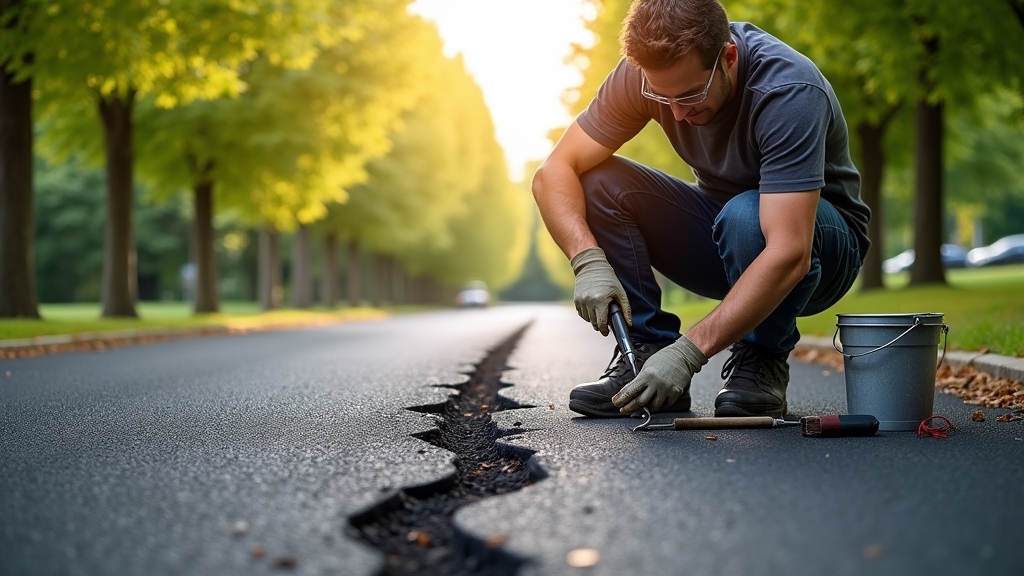
Maintaining your asphalt surface is essential for its longevity, and there are a few key principles you should keep in mind.
First, be aware of temperature effects. Extreme heat can soften the asphalt, while cold weather can make it brittle. This means you should schedule repairs during moderate temperatures for the best results.
Second, familiarize yourself with asphalt resurfacing techniques. These methods can restore the surface’s integrity, preventing costly damage down the line. If you notice cracks or potholes, addressing them promptly with the right resurfacing technique can extend the life of your asphalt.
Lastly, keep an eye on drainage. Proper water flow prevents pooling, which can lead to further deterioration.
Regular Cleaning: The Key to Longevity
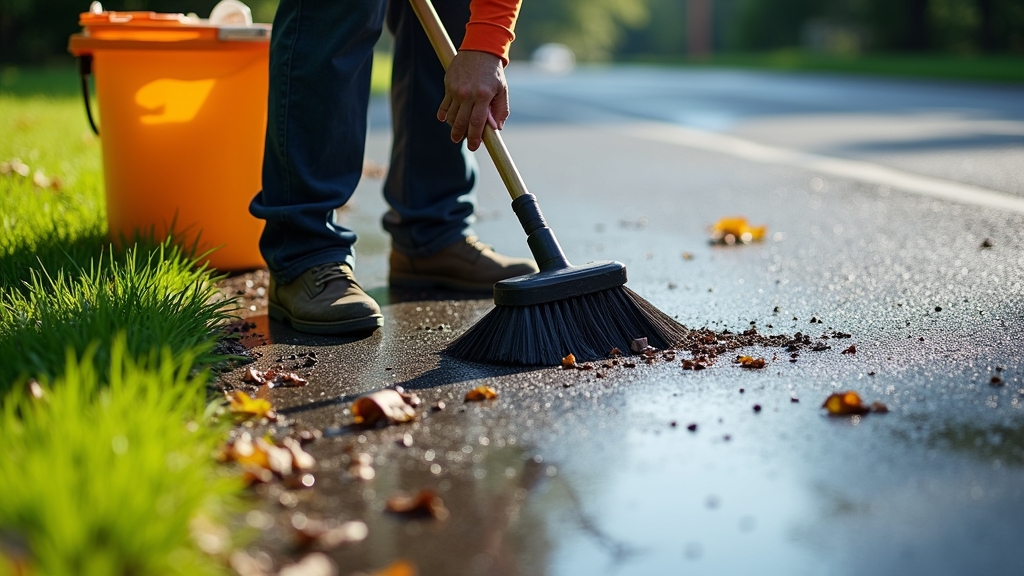
While it might seem simple, regular cleaning is essential for extending the life of your asphalt surface. Neglecting this vital step can lead to costly repairs down the line.
By implementing effective asphalt cleaning techniques, you can keep your surface looking fresh and functional.
Here are some regular maintenance tips to keep in mind:
- Remove debris: Leaves, dirt, and trash can trap moisture, leading to cracks.
- Wash spills immediately: Oil or chemical spills can degrade asphalt quickly.
- Use a broom or blower: Regularly sweeping prevents the buildup of harmful materials.
- Inspect for damage: Regular cleaning gives you a chance to spot issues early.
Sealcoating for Asphalt Maintenance: When and Why
Sealcoating is an essential step in maintaining your asphalt surface, protecting it from the elements.
Applying it at the right time can greatly extend the life of your pavement.
Let’s explore when you should sealcoat and the benefits it offers for longevity.
Importance Of Sealcoating
A well-preserved asphalt surface not only enhances curb appeal but also prolongs its lifespan. One of the best ways to achieve this is through sealcoating.
By applying a protective layer, you can fend off damage from UV rays, water, and chemicals. Here are some emotional sealcoating benefits to evaluate:
- Boosts property value
- Saves you money on repairs
- Creates a safer driving surface
- Gives you peace of mind
Understanding proper application techniques is essential for maximizing these benefits.
Regularly sealcoating your asphalt guarantees it looks great and stands strong against wear and tear.
Don’t wait; investing in sealcoating now can save you time and money later.
Ideal Application Timing
Understanding when to apply sealcoating can make all the difference in maintaining your asphalt surface. Ideal timing hinges on asphalt temperature effects and seasonal considerations. Generally, late spring to early fall is the best period, as warmer temperatures help the sealant cure effectively.
Here’s a quick overview:
| Season | Recommended Application Timing | Temperature Effects |
| Spring | Late April – June | Warmer temps improve cure time |
| Summer | July – August | High heat aids in application |
| Fall | September – October | Cooler temps may slow curing |
Avoid applying sealcoating during extreme temperatures or rain. By choosing the right timing, you enhance the longevity and effectiveness of your asphalt maintenance efforts.
Benefits For Longevity
While many overlook it, sealcoating offers significant benefits for extending the life of your asphalt surface. By applying a protective layer, you can enhance your asphalt lifespan and enjoy several maintenance benefits.
Regular sealcoating helps prevent damage from UV rays, water, and chemicals, ensuring your surface stays strong and durable.
- Saves you money on costly repairs down the road.
- Enhances curb appeal, making your property look well-maintained.
- Increases safety by reducing the risk of cracks and potholes.
- Boosts property value, giving you peace of mind.
Investing in sealcoating not only protects your asphalt but also gives you confidence knowing you’re taking the right steps for its longevity.
Don’t wait—make sealcoating part of your maintenance routine!
Don’t Delay: Fix Cracks and Potholes ASAP
Cracks and potholes can quickly turn into major headaches if you don’t tackle them right away. Ignoring these issues can lead to more extensive damage, costing you more in the long run.
The first step is crack sealing; it’s a simple process that prevents water from seeping into the asphalt. Once water gets in, it can freeze and expand, worsening the cracks.
For potholes, prompt pothole repair is essential. If left untreated, they can grow larger and pose safety hazards. You should fill them as soon as you spot them, using materials designed for durability.
Regular inspections can help you identify these problems early. By addressing cracks and potholes immediately, you’re not just maintaining your asphalt surface; you’re extending its life considerably.
The Importance of Proper Drainage for Asphalt
Proper drainage is essential for maintaining your asphalt surface.
If water collects on your driveway, it can lead to cracks and deterioration over time.
Effective Water Management Strategies
Effective water management is essential for maintaining the integrity of your asphalt surface, as improper drainage can lead to significant damage over time. By implementing effective drainage solutions, you can guarantee ideal water flow, preventing costly repairs down the road.
- Protect your investment from premature wear.
- Avoid hazardous conditions like potholes and cracks.
- Enhance curb appeal and property value.
- Save money on extensive repairs.
Consider installing drains, reshaping your surface for better slope, or using permeable materials.
Regularly inspect your drainage systems to catch any blockages early. By taking these proactive steps, you’ll not only extend the life of your asphalt but also enjoy a safer and more appealing surface for years to come.
Impact of Standing Water
While you might not realize it, standing water can wreak havoc on your asphalt surface if left unchecked. It leads to surface deterioration, cracking, and even structural damage. To prevent these issues, implementing effective drainage solutions is essential.
| Issue | Impact |
| Standing Water | Accelerates asphalt breakdown |
| Poor Drainage | Increases repair costs |
| Surface Deterioration | Reduces lifespan of asphalt |
| Preventive Measures | Saves money and time |
Taking preventive measures like grading your surface and installing proper drainage systems can greatly extend the life of your asphalt. By addressing standing water promptly, you’ll protect your investment and maintain a safe, functional surface.
Drainage System Maintenance Tips
To keep your asphalt surface in top shape, regular maintenance of your drainage system is essential. Proper drainage solutions guarantee effective water flow, preventing damage to your asphalt that can lead to costly repairs.
Here are some tips to maintain your drainage system:
- Clear debris from drains and gutters to allow unobstructed water flow.
- Inspect grading around your asphalt to guarantee water drains away properly.
- Check for blockages in pipes or culverts that might hinder drainage.
- Repair any cracks or potholes, as they can trap water and worsen drainage issues.
Minimize Heavy Loads: Protect Your Asphalt Surface
Minimizing heavy loads on your asphalt surface is essential for its longevity and durability. Excessive weight can cause cracks and deformation, leading to costly repairs. To protect your asphalt, keep an eye on load distribution and adhere to weight limits.
Here’s a quick reference table to help you manage heavy loads effectively:
| Load Type | Recommended Weight Limit |
| Passenger Vehicles | Up to 3,000 lbs |
| Light Trucks | Up to 10,000 lbs |
| Heavy Equipment | Up to 30,000 lbs |
Best Weather for Asphalt Maintenance
Choosing the right weather for asphalt maintenance can greatly impact the effectiveness of your efforts. Ideal temperatures for asphalt work typically range between 50°F and 85°F.
When conditions are too hot or too cold, you risk compromising the integrity of your repairs. Seasonal considerations also play a vital role; for instance, spring and early fall often provide the best conditions for maintenance.
- You’ll feel proud knowing your asphalt is well-maintained.
- Imagine the relief of avoiding costly repairs down the line.
- Picture a smooth, safe surface for your family and visitors.
- Enjoy the peace of mind that comes with proper care.
Timing Your Asphalt Installation for Maximum Durability
Timing your asphalt installation can greatly affect its longevity and durability. To achieve the best installation, you need to take into account the seasons. Spring and early fall are ideal times, as temperatures are moderate, allowing the asphalt to cure properly.
Avoid installing during extreme heat or cold, as these conditions can lead to cracking and other issues. Additionally, keep an eye on the weather forecast. Rain can interfere with the curing process, so it’s best to choose a dry period.
If you’re in a region with significant temperature fluctuations, plan your installation accordingly to avoid potential damage.
Signs It’s Time to Replace Your Asphalt Surface?
While regular maintenance can greatly extend the life of your asphalt surface, there comes a time when repairs just won’t cut it anymore. You need to be aware of the repair indicators signaling that your asphalt surface is beyond saving.
Regular maintenance can enhance your asphalt’s lifespan, but recognizing when it’s time for replacement is crucial to prevent further damage.
Look for signs of surface deterioration, as they can lead to bigger issues down the road.
- Cracks wider than a quarter
- Potholes that seem to multiply
- A surface that feels rough or uneven
- Water pooling in multiple areas
If you notice these issues, it may be time to evaluate a full replacement. Ignoring these signs can lead to more extensive damage and higher repair costs.
By recognizing when it’s time to replace your asphalt, you can save yourself from the stress and expense of ongoing repairs.
Don’t wait until it becomes a bigger problem—act before it’s too late!
Frequently Asked Questions
How Often Should I Reseal My Asphalt Surface?
You should reseal your asphalt surface every 2 to 3 years. This timing helps maximize resealing benefits, protecting against wear and tear. Regular maintenance keeps your driveway looking fresh and extends its lifespan effectively.
Can I Apply Sealant Myself or Hire a Professional?
You can apply sealant yourself with DIY sealant tips, but hiring professional services guarantees better results. If you’re unsure about the process, it’s wise to trust experts for a long-lasting finish.
What Materials Are Best for Filling Cracks?
For filling cracks, use crack sealants and flexible fillers. They bond well, accommodate movement, and prevent water damage. Make certain to choose products designed specifically for asphalt to guarantee durability and effectiveness.
Does Weather Affect the Effectiveness of Sealcoating?
Yes, weather impacts sealcoating benefits. Extreme temperatures or rain can hinder proper adhesion and curing. For best results, apply sealcoating during mild, dry weather, ensuring your asphalt surface gets the full protective advantages.
How Can I Tell if My Asphalt Needs Replacement?
You can tell your asphalt needs replacement by looking for asphalt lifespan indicators like deep cracks, potholes, or fading color. If you notice signs of deterioration affecting its surface, it’s time to contemplate replacement.
Final Thoughts
Extending the life of your asphalt surface comes down to consistent upkeep and timely repairs. Regular cleaning, proper drainage, prompt crack and pothole fixes, and routine sealcoating all work together to protect your pavement from water intrusion, UV exposure, and everyday wear. When you stay proactive, you reduce long-term repair costs and keep your surface safer, smoother, and better-looking for years.
If you’re seeing early cracking, drainage problems, or surface wear—or you want a maintenance plan that prevents issues before they start—Paterson Asphalt Paving is ready to help. From preventive protection like asphalt sealcoating to repairs, resurfacing, and new paving, our team can recommend the right next step for your property. Learn more about our services, then schedule an estimate through our contact page.