
To maintain your driveway year-round, start by knowing its type—whether asphalt, concrete, or gravel—and follow the specific upkeep needs. Regularly check for cracks and potholes to fix them before they worsen, and clear debris seasonally. Create a snow removal plan in winter and apply sealants in summer. Don’t ignore signs like pooling water or deep cracks; you might need professional help then. There’s more to learn about enhancing your driveway’s longevity and appearance.
Key Takeaways
- Identify your driveway material (asphalt, concrete, gravel) to determine specific maintenance needs and frequency.
- Conduct seasonal inspections to catch damage early and prevent costly repairs.
- Clear snow and ice promptly in winter to avoid cracks and safety hazards.
- Apply protective sealants in summer to guard against UV damage and fading.
- Recognize when to seek professional help for deep cracks, potholes, or drainage issues.
Understanding Your Driveway Type: Asphalt, Concrete, or Gravel
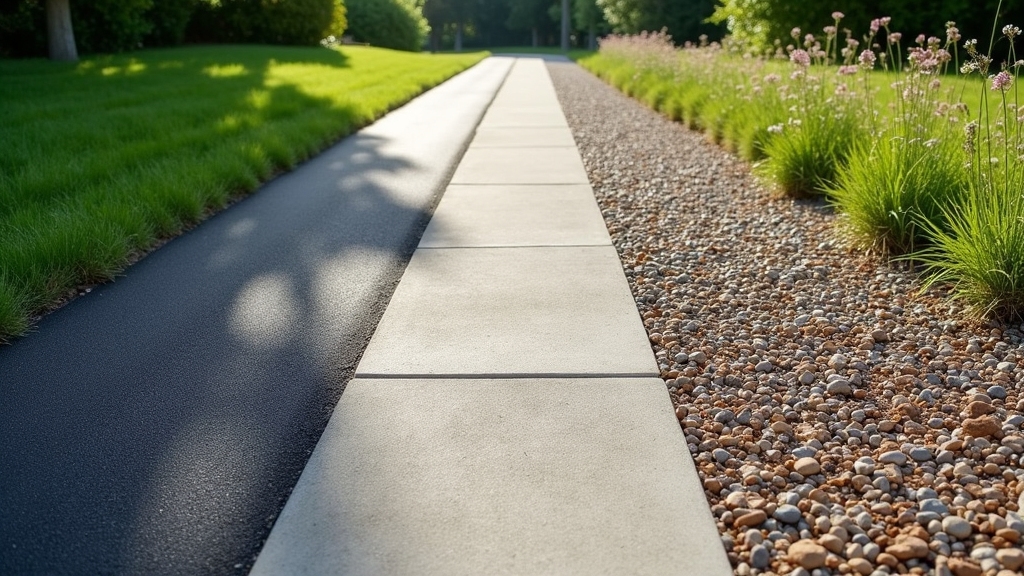
Understanding your driveway type is essential for effective maintenance. Whether you’ve got asphalt, concrete, or gravel, each driveway material requires different care.
Understanding your driveway type is crucial for proper maintenance, as each material—asphalt, concrete, or gravel—has unique care requirements.
Asphalt driveways need sealing every few years to protect against weather damage, while concrete surfaces often benefit from regular cleaning and occasional sealing to prevent cracks.
Gravel driveways might require more frequent upkeep, like raking and adding fresh gravel to maintain a smooth surface.
Identifying your driveway’s material helps you determine the proper maintenance frequency. For example, if you notice cracks in your concrete or fading in your asphalt, it’s time to act.
Ignoring these signs can lead to costly repairs down the road. By understanding your driveway type and its specific needs, you can guarantee it stays in good shape, enhancing your home’s curb appeal and longevity.
Why Year-Round Maintenance Is Essential
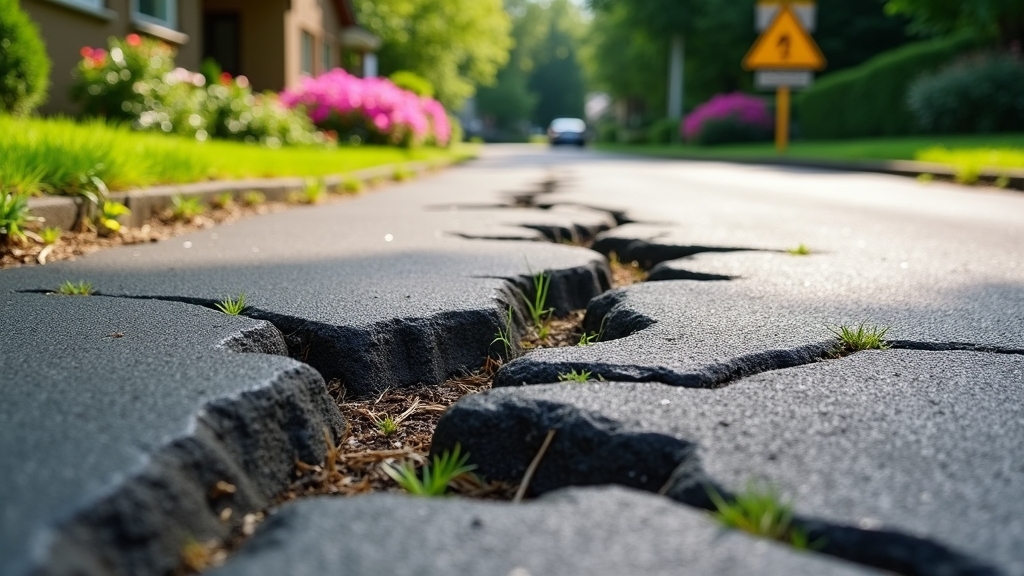
Regular upkeep is essential for keeping your driveway in top condition year-round. Neglecting maintenance can lead to cracks, potholes, and other issues that not only diminish driveway aesthetics but also pose safety hazards.
By committing to seasonal inspections, you can catch problems early and address them before they escalate. Each season brings unique challenges—whether it’s winter’s ice or summer’s heat—that can affect your driveway’s integrity.
Taking the time to assess your driveway regularly allows you to identify wear and tear, ensuring it stays visually appealing and functional. Simple tasks, like filling cracks or sealing surfaces, can notably extend its lifespan.
Plus, a well-maintained driveway enhances your property’s curb appeal, making it more inviting. So, don’t wait until issues arise; prioritize year-round maintenance to keep your driveway looking great and performing well for years to come.
Seasonal Challenges for Driveways
As the seasons change, your driveway faces unique challenges that can affect its longevity.
Winter weather brings ice and snow that can crack surfaces, while summer sun can fade and damage materials.
Understanding these seasonal threats will help you take the right steps to protect your investment.
Winter Weather Hazards
When winter arrives, your driveway faces a host of challenges that can lead to costly damage if not addressed promptly. Snow accumulation can create heavy loads, while ice formation poses serious driveway safety risks. Temperature fluctuations cause freeze-thaw cycles, which can crack your surface and worsen drainage problems. Salt damage is another concern, as it can deteriorate the material over time. To keep your driveway in top shape, monitor maintenance frequency during winter months.
Here’s a quick overview of winter hazards:
| Hazard | Impact | Solution |
| Snow Accumulation | Heavy load | Clear regularly |
| Ice Formation | Slippery surface | Use sand or salt |
| Temperature Fluctuations | Cracking | Sealant application |
| Drainage Problems | Water pooling | Guarantee proper grading |
| Salt Damage | Material deterioration | Limit salt use |
Summer Sun Damage
While you might enjoy the warmth of summer, your driveway can suffer under the relentless sun. The UV rays can cause fading and cracking, leading to costly repairs.
To protect your driveway, consider using effective UV protection methods. Regularly applying a sealant helps shield the surface from harmful rays. Look for heat resistant sealants designed specifically for your driveway material; these can withstand high temperatures and provide lasting protection.
Additionally, keep an eye on any signs of wear and tear. If you notice cracks or discoloration, address these issues promptly.
Essential Tools for Driveway Maintenance
Maintaining your driveway requires just a few essential tools to keep it in top shape. First, invest in a good driveway maintenance kit, which typically includes sealants, patching compounds, and applicators. These will help you address cracks and maintain a smooth surface.
Next, gather essential cleaning tools like a broom, pressure washer, and a scraper. A broom helps remove debris, while a pressure washer can tackle stubborn stains and grime. The scraper’s perfect for lifting up any weeds or moss that might sprout between cracks.
For regular upkeep, a sturdy shovel and a rake can help manage gravel driveways, ensuring the surface stays even.
With these tools on hand, you’ll be well-equipped to keep your driveway looking great all year round. Remember, a little regular maintenance goes a long way in preserving your driveway’s longevity and appearance!
Spring Cleaning: Preparing Your Driveway for Summer
As spring rolls in, it’s the perfect time to get your driveway ready for the summer heat.
Start by inspecting for any damage, then clear away surface debris to keep it looking its best.
Finally, applying a sealant can protect against wear and tear, ensuring your driveway stays in great shape all season long.
Inspect For Damage
Inspecting your driveway for damage is essential, especially as summer approaches.
Start with a thorough damage assessment to identify cracks, potholes, or uneven surfaces. These issues can worsen with heat and heavy use, leading to more extensive repairs down the line. Look closely for signs of wear, like faded areas or crumbling edges.
Once you pinpoint the problems, consider using simple repair techniques. For small cracks, a sealant can work wonders, while larger potholes may require patching materials.
Don’t forget to check the drainage; improper flow can cause further damage. By addressing these concerns now, you’ll guarantee your driveway remains safe and functional throughout the summer months.
Regular inspections will save you time and money in the long run!
Clean Surface Debris
Start by clearing away any surface debris from your driveway to prepare it for summer. This not only enhances your driveway’s appearance but also prevents damage. Use effective debris removal techniques like brooms, leaf blowers, or pressure washers to tackle different types of debris.
| Debris Type | Removal Technique | Best Time to Clean |
| Leaves | Leaf blower | Early spring |
| Dirt and Grime | Pressure washer | After heavy rain |
| Small Stones | Broom | Regular maintenance |
| Snow and Ice | Shovel | Winter and early spring |
Implementing these seasonal cleanup strategies guarantees your driveway stays in top condition, making it easier to maintain throughout the year.
Sealant Application Tips
Once you’ve cleared away debris, it’s time to focus on protecting your driveway with sealant.
Start by choosing the right sealant types for your surface—whether asphalt or concrete, each requires a specific product.
Before applying, verify the surface is completely dry and free of cracks.
For best results, use a squeegee or a roller for even distribution.
Apply the sealant in thin, consistent layers, working in sections to avoid pooling.
Remember to follow the manufacturer’s instructions regarding drying times and recoat intervals.
If you’re using a sprayer, keep it at a consistent distance to avoid uneven coverage.
With the right application techniques, your driveway will be ready to withstand summer’s heat and elements!
How to Repair Cracks and Potholes
Cracks and potholes can quickly turn your driveway into an eyesore and create safety hazards. To keep your driveway in top shape, you’ll want to tackle these issues promptly.
Start with crack sealing. Clean out any debris from the cracks using a wire brush or a high-pressure hose. Once it’s dry, apply a crack filler, ensuring it penetrates deeply for a solid seal.
Start by sealing cracks; clear debris with a wire brush or hose, then apply crack filler for a durable seal.
Next, move on to pothole filling. Clear loose material from the pothole, then fill it with a cold patch asphalt mix. Pack it down firmly to prevent it from settling.
Finally, smooth the surface to blend it with the surrounding area.
Summer Maintenance Tips: Protecting Against Heat and UV Damage
After addressing cracks and potholes, it’s time to focus on the summer sun, which can take a toll on your driveway. The intense heat and UV exposure can lead to thermal expansion, causing damage over time.
To enhance driveway longevity, consider applying protective sealants that offer UV protection and heat resistance. These surface coatings not only shield against sun damage but also improve heat reflection, keeping your driveway cooler.
Regularly inspect your driveway for signs of wear, especially after prolonged sun exposure. If you notice fading or cracking, it might be time to reapply a sealant.
Additionally, try to park in shaded areas when possible to minimize heat buildup. By taking these steps, you can preserve your driveway’s appearance and functionality throughout the summer, ensuring it stays in great shape for years to come.
Fall Preparations: Leaf Removal and Weatherproofing
As autumn arrives, you’ll want to prepare your driveway for the changing weather and falling leaves. Start by regularly clearing away leaves, as they can trap moisture and lead to mold or stains.
Use leaf disposal methods like composting or municipal collection to keep your driveway clean and eco-friendly.
After removing the leaves, consider applying weatherproofing materials. Sealants can protect your driveway from moisture and harsh conditions.
Look for products specifically designed for your driveway type, whether it’s asphalt or concrete. A good sealant won’t only enhance durability but also give your driveway a fresh look.
Don’t forget to inspect for cracks or damage before winter sets in, as these can worsen with freezing temperatures.
Preparing Your Driveway for Winter Weather
With fall preparations complete, it’s time to focus on winter readiness. Preparing your driveway for winter weather can save you from costly repairs and headaches. Here are some essential steps to take:
- Inspect for cracks: Fill any gaps to prevent water from seeping in and freezing, which can cause further damage.
- Seal your driveway: A good sealant can protect against the freeze-thaw cycle and make snow removal easier.
- Create a snow removal plan: Decide whether you’ll shovel, use a snow blower, or hire someone, and keep tools accessible.
- Clear the area regularly: Don’t wait for snow to accumulate; remove it promptly to prevent ice formation.
- Consider a heated driveway: If you’re looking for a long-term solution, this can minimize snow removal needs and reduce freeze-thaw issues.
How to Handle Snow and Ice in Winter?
When winter hits, handling snow and ice efficiently is essential for keeping your driveway safe and accessible. Start by investing in effective snow removal techniques. A good snow shovel or a snow blower can save you time and effort.
Clear snow as soon as possible after it falls, as it’s easier to manage when fresh.
Clearing snow promptly after it falls makes the task far easier and keeps your driveway safe.
For ice, consider using ice melting products like rock salt or calcium chloride. These solutions lower the freezing point of water, helping to melt ice quickly.
Be sure to apply them according to the manufacturer’s instructions to avoid damaging your driveway.
If you’re dealing with a thick layer of ice, a combination of scraping and melting products usually works best.
Remember to check the weather forecast and stay proactive; the sooner you tackle snow and ice, the safer your driveway will be for you and your visitors.
Effective Strategies to Prevent Weeds and Moss in Your Driveway
Weeds and moss can quickly ruin the look of your driveway, but you can take proactive steps to keep them at bay. Here are some effective strategies to prevent these unwanted plants:
- Use natural herbicides: Opt for vinegar or boiling water to spot-treat weeds without harmful chemicals.
- Apply mulching techniques: Spread mulch around edges to block sunlight and prevent weed growth.
- Regularly clean your driveway: Sweep away debris and leaves that can foster weed growth.
- Seal cracks promptly: Fill in any gaps where weeds can take root, using a suitable filler.
- Maintain proper drainage: Guarantee water doesn’t pool, as moist conditions encourage moss growth.
Drainage Solutions for Driveway Longevity
Keeping your driveway clear of weeds and moss is just one part of maintaining its overall health. Effective drainage solutions are essential for preventing water pooling and soil erosion. Start by evaluating drainage types that suit your driveway layout. Proper grading directs surface runoff away from your driveway, reducing the risk of damage.
Consider installing drainage systems like French drains or channel drains to manage excess water effectively. Regular maintenance frequency is key; check for clogs and verify your drainage solutions function at peak performance. Clear any debris that might obstruct water flow, and repair any low spots that may collect water.
Implementing these techniques not only prolongs your driveway’s lifespan but also enhances its appearance. By addressing drainage issues proactively, you’ll save yourself costly repairs and guarantee your driveway remains in top shape year-round.
Identifying and Treating Common Driveway Stains
Driveway stains can detract from your home’s curb appeal and indicate underlying issues. Identifying and treating these stains early can save you time and money.
Here are some common types of stains you might encounter:
- Oil stains: These dark spots can be tricky but are often treatable with a degreaser.
- Rust marks: Typically from metal objects, use a rust remover for effective treatment.
- Paint spills: Act quickly with a solvent to prevent permanent damage.
- Food stains: Clean with warm soapy water to avoid attracting pests.
- Tire tracks and tree sap: Use a stiff brush and a suitable cleaner for removal.
Don’t forget about mildew growth, chemical spills, and concrete efflorescence.
Regular inspections and prompt action can keep your driveway looking its best, preventing issues like asphalt discoloration from worsening.
Decorative Options for Your Driveway Maintenance
Wondering how to enhance the visual appeal of your driveway while maintaining its functionality? Consider incorporating decorative edging into your design. This simple addition not only defines the driveway’s boundaries but also adds a polished look. You can choose from materials like brick, stone, or even wood, depending on your style.
Next, think about aesthetic enhancements such as decorative gravel or colored concrete. These options can create a unique and inviting atmosphere. For a more luxurious touch, consider adding pavers or tiles to specific areas, which can break up monotony and draw the eye.
Don’t forget about landscaping! Planting flowers or shrubs along the edges can soften the hard surfaces and add color throughout the seasons.
Budgeting for Driveway Maintenance
Before you plunge into any driveway maintenance project, it’s essential to set a realistic budget. Knowing what you can spend will help you explore cost-effective solutions that fit your needs.
Start by evaluating the condition of your driveway and determining what maintenance is necessary.
Evaluating your driveway’s condition is crucial to identify the necessary maintenance tasks.
Consider these elements when crafting your maintenance budget:
- Repair Costs: Factor in any necessary repairs.
- Materials: Research options that won’t break the bank.
- Tools: Decide if you’ll need to rent or buy equipment.
- Labor: Account for any DIY efforts versus hiring help.
- Routine Maintenance: Plan for ongoing upkeep expenses.
When to Call in a Professional: Signs You Need Help
Sometimes, your driveway needs more than just a quick fix.
If you notice cracks and potholes forming, drainage issues, or significant surface wear and tear, it might be time to call in a professional.
Recognizing these signs early can save you from more costly repairs down the road.
Cracks And Potholes Forming
As your driveway endures the wear and tear of daily use, cracks and potholes can form, signaling that it might be time to call in a professional.
Look out for these signs that indicate you need help:
- Deep cracks wider than a quarter inch
- Potholes that are becoming larger or more numerous
- Water pooling in depressions or cracks
- Uneven surfaces that can cause tripping hazards
- Crumbling edges or deteriorating asphalt
Ignoring these issues can lead to more significant damage and costly repairs.
Utilizing crack prevention techniques and pothole repair methods regularly can help, but if these signs appear, it’s best to consult an expert to guarantee your driveway remains safe and functional.
Drainage Issues Arise
When you notice water pooling on your driveway after heavy rain, it’s a clear sign that drainage issues have arisen. Ignoring this can lead to soil erosion and damage your driveway’s structure.
To address these problems, consider drainage solutions like proper surface grading, which helps direct water away from your driveway. Additionally, effective water management involves ensuring your gutters are clear and functional; regular gutter maintenance is key.
If you’re facing persistent runoff control issues, it might be time for professional help, especially if pipe installation or landscape grading is necessary. Recognizing these signs early can prevent further complications and keep your driveway in top shape.
Don’t hesitate to call in an expert when needed!
Surface Wear And Tear
Although your driveway may withstand daily use, signs of surface wear and tear can indicate it’s time to call in a professional. Recognizing these signs early can save you from costly repairs down the line.
Here are some indicators you shouldn’t ignore:
- Cracks wider than a quarter
- Potholes that can’t be filled with sealant
- Discoloration or fading of the surface
- Uneven surfaces causing pooling water
- Frequent need for surface protection maintenance
If you notice any of these issues, it’s essential to assess your maintenance frequency.
A professional can guarantee your driveway receives the necessary care, extending its lifespan and enhancing its appearance.
Don’t wait until it’s too late—addressing these signs promptly is key!
Frequently Asked Questions
How Often Should I Seal My Asphalt Driveway?
You should seal your asphalt driveway every two to three years. Regular driveway sealing protects against weather damage, enhancing your asphalt’s lifespan and keeping it looking great. Don’t wait too long; act before wear sets in!
Can I Paint My Concrete Driveway?
Yes, you can paint your concrete driveway. Just guarantee proper concrete preparation by cleaning and repairing any cracks. Choose a high-quality concrete paint for durability, and you’ll enjoy a fresh look that enhances your home’s appeal.
What Are the Best Plants for Driveway Borders?
For driveway borders, consider native plants like lavender, ornamental grasses, or daylilies. These enhance border aesthetics, thrive in your local climate, and require less maintenance, making them perfect for a beautiful, eco-friendly landscape.
How Does Temperature Affect Driveway Maintenance?
Temperature fluctuations markedly affect driveway maintenance. In winter, cold can cause cracks, while summer heat may lead to softening. You should adjust your maintenance routine each season to address these impacts effectively.
Are There Eco-Friendly Driveway Maintenance Products Available?
Yes, there are eco-friendly driveway maintenance products available. You can use sustainable sealants and biodegradable cleaners that effectively protect your driveway while minimizing environmental impact. These options help you maintain your space responsibly and sustainably.
Final Thoughts
Maintaining your driveway year-round is one of the best ways to protect your investment and keep your property looking its best. By staying ahead of seasonal wear—cleaning debris, addressing stains, sealing when needed, and fixing small cracks before they grow—you can reduce costly repairs and extend the life of your surface. If you’re seeing deeper cracks, potholes, drainage problems, or widespread wear, it may be time to bring in a professional for a closer look.
At Paterson Asphalt Paving, we help homeowners and property managers keep driveways safe, durable, and curb-appeal ready with services like asphalt driveway paving, asphalt sealcoating, and asphalt resurfacing. If you’d like an expert recommendation for the next step, reach out today through our contact page to schedule an estimate.